Digital receipts vs. paper receipts: Which is better?
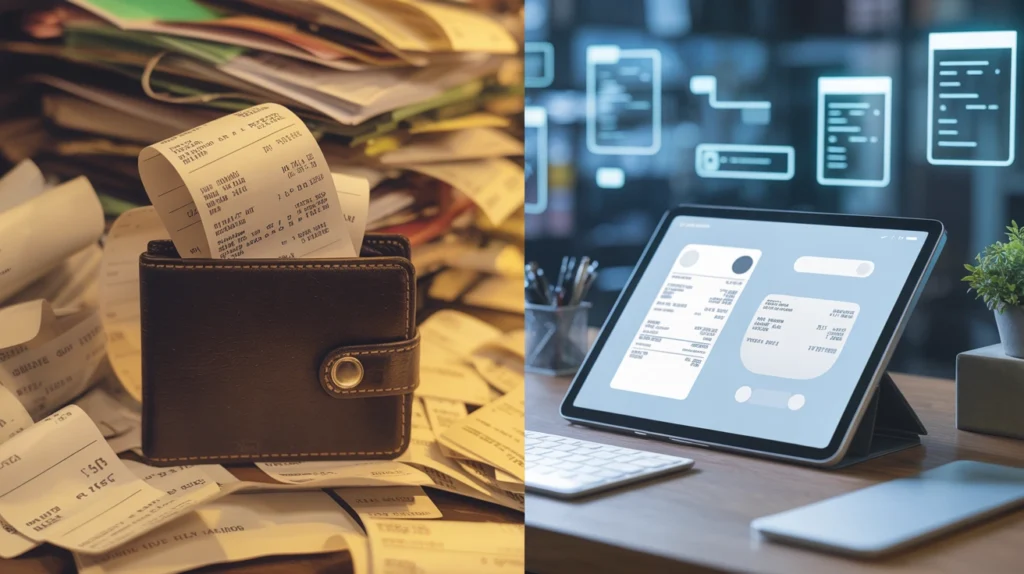
We’ve all seen it: the small business owner’s desk, buried under a mountain of faded, crinkled paper receipts. Or the customer’s wallet, so stuffed with thermal paper slips that it barely closes. For decades, the paper receipt has been the undisputed proof of a transaction. But in 2025, that’s changing fast.
The choice between issuing a digital receipt or a traditional paper one is no longer just about preference; it’s a strategic decision that impacts your costs, your customer’s happiness, and even how you market your business. If you’re still exclusively using a physical cash register and a thermal printer, it’s time to look at the landscape. The future is digital, but that doesn’t mean paper is entirely obsolete. Let’s break down what’s best for your business right now.
Why This Choice Matters for Businesses in 2025
Making a conscious decision about your receipt strategy is more important than ever. Here’s why it’s a conversation worth having:
- Rising digital adoption in retail & small businesses: Customers now expect digital convenience. From contactless payments to online shopping, the world has shifted. Offering a digital receipt meets this modern expectation and shows your business is current.
- Costs and compliance considerations: Paper isn’t free. You’re constantly buying rolls and ink. Digital options often come with a software subscription, but they can dramatically cut down on long-term costs and make tax compliance simpler.
- Customer experience and sustainability impact: A digital receipt can’t get lost in a washing machine and is easy for customers to find later. Furthermore, a growing number of consumers prefer to support businesses that are environmentally conscious, and reducing paper waste is a visible way to show you care.
What Are Digital Receipts?
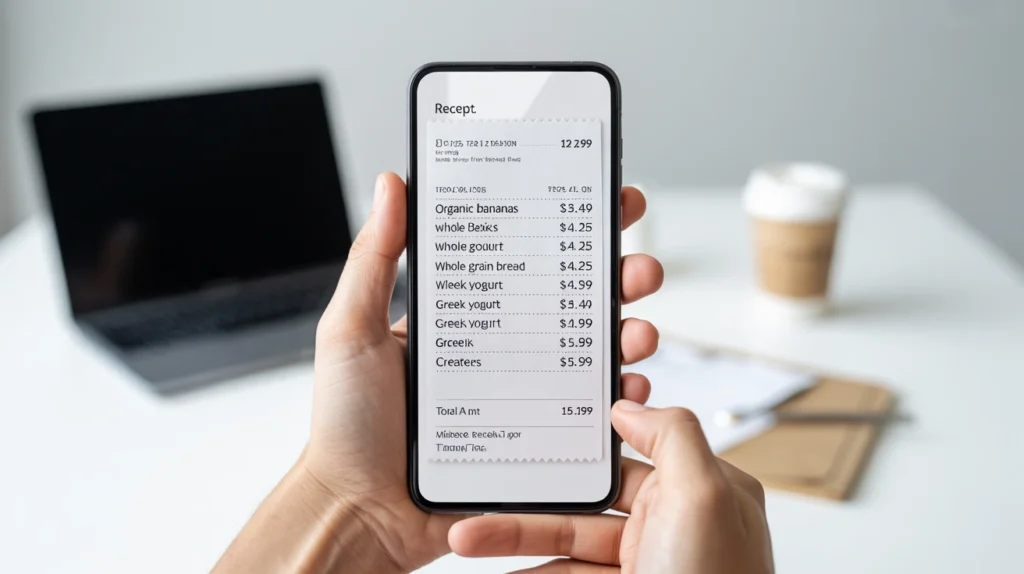
A digital receipt is an electronic proof of purchase that is generated and delivered to a customer without using paper. Instead of a physical slip, the transaction record is sent as a file or a link.
They primarily work in a few ways:
- E-receipts vs. email receipts vs. POS integrations: These terms are often used interchangeably, but there are subtle differences. An email receipt is the most common type, sent directly to a customer’s inbox. An e-receipt can also refer to a receipt stored within a retailer’s app (think of your purchase history in the Amazon or Walmart app). Both are made possible by POS integrations—modern Point of Sale systems (like Square, Toast, or Shopify POS) that can capture a customer’s email or phone number at checkout and send the receipt automatically.
- Security and storage features: Digital receipts are stored in the cloud or an email account, making them searchable and secure. Unlike a paper slip that can be easily lost or destroyed, a digital copy is a permanent record, often encrypted and backed up, which is a huge plus for both you and your customer.
Paper Receipts Explained
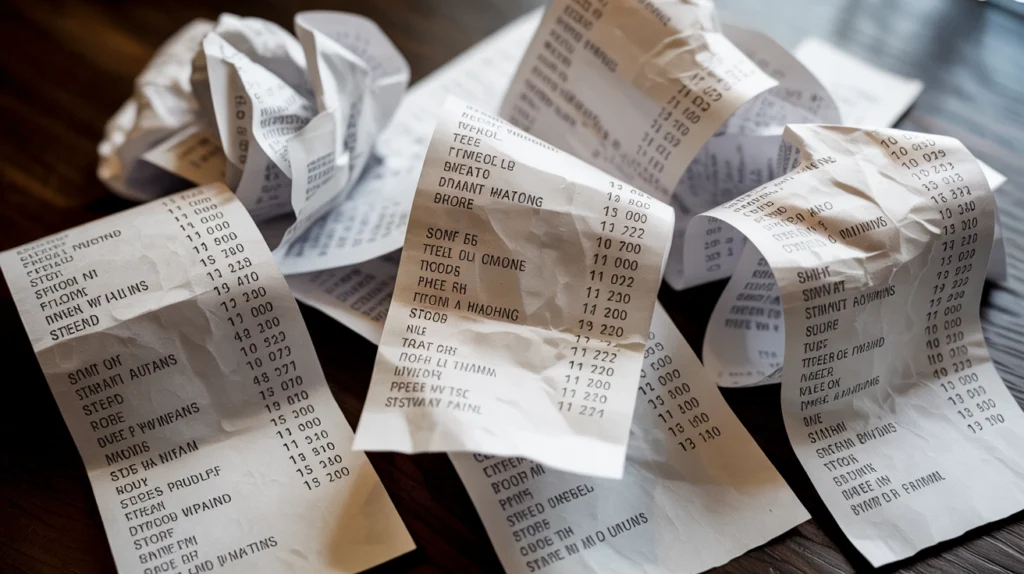
We all know what a paper receipt is. It’s the familiar, long slip of thermal paper that prints out from a cash register or credit card terminal.
- Traditional use cases: For decades, it has been the default method for providing immediate proof of purchase in any retail environment, from grocery stores to restaurants.
- Why businesses still rely on them: There’s a certain simplicity and reliability to paper. There’s no risk of typing an email address incorrectly, and the customer walks away with tangible proof in their hand. For businesses that are cash-heavy or serve customers who aren’t tech-savvy, paper remains the fastest and most straightforward option.
- Environmental and cost implications: The downsides are significant. Thermal paper rolls are an ongoing operational cost. More importantly, most thermal paper is coated with chemicals like BPA, which means it can’t be recycled. It’s a source of both financial drain and physical waste.
Digital receipts vs. paper receipts Side-by-Side Comparison
Let’s break down the direct comparison across the areas that matter most to a small business owner.
Cost and Efficiency
- Paper: Involves recurring costs for thermal paper rolls, ink cartridges, and printer maintenance. Storing physical copies for tax purposes also takes up space.
- Digital: May involve a monthly fee for a POS system or software, but eliminates all paper and ink costs. It’s vastly more efficient for searching and organizing records.
Customer Experience
- Paper: Handed over instantly, but easily lost, damaged, or faded. It clutters wallets and is a hassle to organize for expense reports.
- Digital: Delivered to an email or app, making it easy to store and find later. It’s convenient for returns and expense tracking. The only downside is it requires the customer to share contact information.
Environmental Impact
- Paper: Generates significant paper waste. Most thermal receipts are non-recyclable and contribute to landfills.
- Digital: Almost zero environmental impact. It’s the clear winner for any business aiming to be more sustainable.
Security & Compliance
- Paper: Can be easily lost or seen by others. Creating backups is a manual process (photocopying or scanning).
- Digital: Can be stored securely in the cloud with encryption. Backups are automatic, and it’s easier to maintain a complete, compliant record for IRS audits.
Data & Analytics Potential
- Paper: Almost completely anonymous. You have no idea who the customer was or how to contact them again.
- Digital: This is the game-changer. By capturing an email address, you can connect a purchase to a specific customer. This allows you to build a marketing list, send follow-up promotions, and analyze purchasing habits to make smarter business decisions.
Advantages of Digital Receipts for Businesses
Switching to a digital-first approach provides clear, measurable benefits.
Save Money and Reduce Waste
You completely eliminate the recurring cost of paper rolls and ink. Over a year, this can add up to significant savings, all while reducing your business’s environmental footprint.
Simplify Tax Compliance & Record-Keeping
Imagine tax season without a shoebox full of faded paper. With digital receipts, every transaction is automatically logged, dated, and stored. You can instantly search for a specific receipt or export a full year’s worth of sales data for your accountant with a few clicks.
Unlock Customer Insights for Marketing
A digital receipt is your entry point to building a customer relationship. You now have an email address you can (with permission) add to your newsletter. You can see what specific customers buy and tailor future marketing efforts to them, turning one-time buyers into repeat customers.
Improve Customer Trust with Transparency
When a customer knows their receipt is safely in their email, they feel more confident about making returns or warranty claims in the future. It provides a permanent, legible record of their purchase, which builds trust in your brand.
When Paper Receipts Still Make Sense
Despite the clear advantages of digital, going 100% paperless isn’t always practical.
Cash-Heavy Environments
For businesses like food trucks, market stalls, or cash-only bars, the speed of a paper receipt is often more efficient than asking for and typing in an email address for a small transaction.
Limited Tech Adoption by Customers
If your customer base is primarily older or less comfortable with technology, forcing a digital receipt can create friction. It’s always good practice to offer paper as an option.
Backup for Legal or Audit Purposes
Some business owners simply feel more secure having a physical, hard-copy backup of their daily sales reports, even if they primarily use a digital POS system.
How to Transition from Paper to Digital Receipts
Ready to make the switch? Here’s a simple roadmap.
Choosing the Right POS System or Receipt Software
The easiest way to go digital is with a modern POS system like Square, Shopify POS, or Toast. These have email receipt functionality built-in. If you don’t need a full POS, you can still create professional digital receipts using a Free Sales Receipt Maker. These tools allow you to download a PDF that you can then email directly to your customer.
Using OCR & AI Tools for Scanning Old Paper Receipts
To deal with your existing paper trail, you can use OCR (Optical Character Recognition) apps like Adobe Scan or Expensify to take pictures of your old receipts and convert them into organized digital files.
Training Staff and Customers
Prepare your staff with a simple script, like, “Would you prefer your receipt emailed to you today?” Let customers know about the new, convenient option. Most will appreciate the move away from paper.
Ensuring Tax and Legal Compliance
Make sure your new digital receipt template contains all the legally required information for a valid proof of purchase, including your business name, date, itemized list, and total amount.
Conclusion
For most businesses in 2025, the answer isn’t about choosing one over the other—it’s about embracing a digital-first strategy while keeping paper as a useful backup. The efficiency, marketing potential, and customer experience benefits of digital receipts are too significant to ignore.
Start by implementing a system that allows you to offer a digital receipt to every customer. You’ll save money, build a valuable customer list, and make your bookkeeping incredibly simple. Keep the paper printer around for those who prefer it, but lead with the future. Your bottom line—and your customers—will thank you.



![CVS Pharmacy Receipt Guide & Free Template [2026 Update]](https://freereceiptmaker.com/wp-content/uploads/2025/12/CVS-Pharmacy-Receipt-Guide-Free-Template-2026-Update-768x432.webp)